Somewhere around 2013, a friend showed me a Bitcoin wallet on his phone and I genuinely thought he'd installed a virus. The screen was ugly, the numbers meant nothing, and I couldn't figure out who was "in charge" of the whole thing. Two years later I finally bought my first fraction of a coin, and I made every mistake in the book. This guide exists so you don't repeat them.
Key Takeaways
- Buying your first cryptocurrency takes about 20 minutes once your identity is verified
- So-called "zero fee" platforms make their money in the spread, which can quietly cost you 1-3%
- Exchange fees on a €50 purchase can quietly hit 4-6% of your money — always run the math first
- Never leave meaningful amounts on an exchange long-term once you understand self-custody
- Day trading crypto as a beginner is the fastest known way to lose your entire balance
- Taxes apply in most countries — track every purchase from day one
Beginner's guide to buying your first cryptocurrency
Here's the short version: you open an account on a regulated platform, verify your identity, deposit money, and swap it for a coin. That's it. The hard part isn't the mechanics. It's everything nobody tells you before you click "buy."
How cryptocurrency works for beginners
A cryptocurrency is a digital asset that lives on a shared ledger called a blockchain. Every transaction gets recorded, checked by a network of computers, and can't quietly be edited afterward. No bank sits in the middle deciding whether your transfer goes through.
That's the whole magic trick. Bitcoin, Ethereum, and thousands of others all follow this same basic principle, though they differ in how they secure the network and what they're built to do. Ethereum runs applications. Bitcoin mostly moves value. Dogecoin started as a joke and somehow still trades billions in volume.
How to buy cryptocurrency for beginners: the actual steps
The process looks almost the same everywhere:
- Pick a platform available in your country that accepts your payment method
- Create an account and complete identity verification
- Deposit funds via bank transfer, card, or another local method
- Place a buy order — either a market order (instant, at current price) or a limit order (only fills at your chosen price)
- Confirm the transaction, then decide where to store what you bought
The verification step trips up most newcomers. You'll photograph an ID and sometimes record a short selfie video. This isn't paranoia on the platform's part — it's a legal obligation in most countries, and it exists to stop money laundering and identity theft. It usually clears within hours, though I've waited as long as three days on one particularly slow European platform.
Which platform should you actually use?
Four broad options exist, and they are not interchangeable:
| Type | Best for | Typical fee | Who controls your coins |
|---|---|---|---|
| Centralized exchange | Trading pairs, volume, advanced orders | 0.1–0.5% per trade | The exchange |
| Broker app | Total beginners who want simplicity | Often hidden in the spread | The broker |
| Peer-to-peer marketplace | Countries with banking restrictions | Varies wildly | You, after each trade |
| Payment app add-on | Small casual purchases | High spread relative to size | The app |
My honest take: use a regulated exchange in your own jurisdiction for your first purchase, even if the interface looks intimidating. The fee transparency alone is worth it. Broker apps that advertise "zero fees" are usually baking 1-3% into the price they give you — I tested one and paid roughly €2.40 extra on a €100 purchase compared to the exchange rate at that exact moment. That's not a scam, it's just a cost you never see itemized.
What about fees on small purchases?
This is where beginners get burned silently. Buying €20 of Bitcoin on some platforms can cost you 5% or more once you account for the spread, the deposit fee, and the network fee when you eventually move the coins. Buy €500 at once instead of five separate €100 orders and you'll typically save enough to cover a decent dinner. I learned that one the annoying way.
Is cryptocurrency safe?
It's as safe as your habits. The blockchain itself has never been successfully hacked in the way people imagine. Your account, however, is a different story.
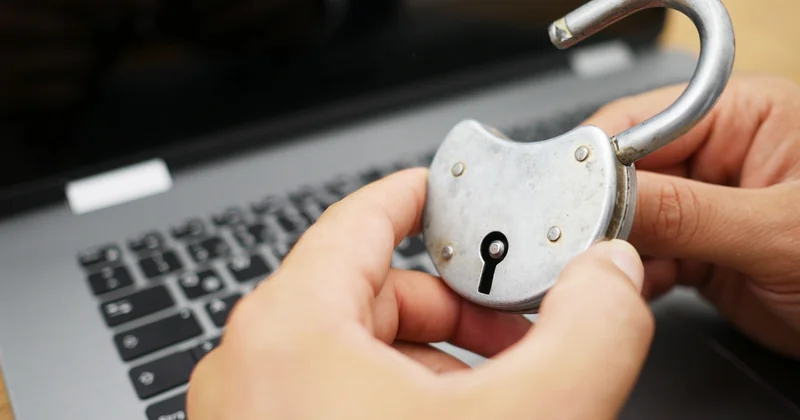
The real risks, ranked by how often they actually hurt people:
- Exchange failures. Several large platforms have collapsed over the years, taking customer funds with them. Never keep more than you'd be comfortable losing on any single platform.
- Phishing. Fake emails, fake support chats, fake wallet apps. If someone contacts you first and mentions crypto, it's almost certainly fraud.
- Lost passwords. If you hold your own coins and lose your recovery phrase, those coins are gone. No support line exists. I once watched a colleague spend four days trying to recover a wallet before accepting defeat.
- Your own panic. Underrated. Selling at a loss because a chart turned red is a self-inflicted wound.
What does volatility actually feel like?
Bitcoin has dropped double-digit percentages in single days more times than I can count. In the middle of those drops, everything on social media screams that it's over. This is the moment beginners either panic or freeze. Neither is useful. Decide before you buy what you'd do if your holding dropped 30% — because it probably will at some point.
How does cryptocurrency make money?
Two honest answers. First: someone else pays more for it later than you paid now. That's speculation, and it's what most buyers are doing whether they admit it or not. Second: some coins and networks pay you for helping run them — staking, in plain terms, means locking up coins to support the network in exchange for a small yield.
What nobody promising you "passive income" will say out loud is that staking rewards are usually paid in the same asset, which can fall faster than the yield accumulates. Don't chase double-digit percentages. They exist for a reason, and the reason is rarely good for you.
How to day trade crypto for beginners
Don't. At least not with money you care about. Day trading requires reading order books, managing leverage, and absorbing losses without flinching — skills that take years to build. The vast majority of retail day traders lose money, mostly to fees and emotion. I tried it for six weeks with a small balance, made one decent trade, then gave back all the gains plus 15% of my starting capital in a single afternoon. That was my tuition.
What happens after you buy?
You have two choices. Leave the coins on the platform, which is fine while you're learning and holding small amounts. Or move them to a wallet you control, where you alone hold the keys.
Self-custody sounds romantic until you realize you're now your own bank, your own IT department, and your own security team. Start with a small amount. Send €20 worth to your wallet first, confirm it arrives, then send the rest. And write your recovery phrase on paper. Not a screenshot. Not a note in your phone.
One more thing that surprises almost everyone: in most countries, selling crypto at a profit is a taxable event, and some jurisdictions tax trades even without a cash-out. Save every transaction record from the first day. Reconstructing a year of forgotten trades in April is a special kind of misery.
So here's the question worth sitting with. You've read this far, which means you're probably curious. Before you buy anything, ask yourself whether you'd still be okay holding that position if it dropped 40% and someone you trust told you it was dead. If the honest answer is no, you've just learned something more valuable than any coin price. Wait. The market isn't going anywhere — and neither, frankly, are the mistakes, if you skip the boring parts.